

A New Era in Earthwork Calculations: Precise Volume Analysis with DEM Data
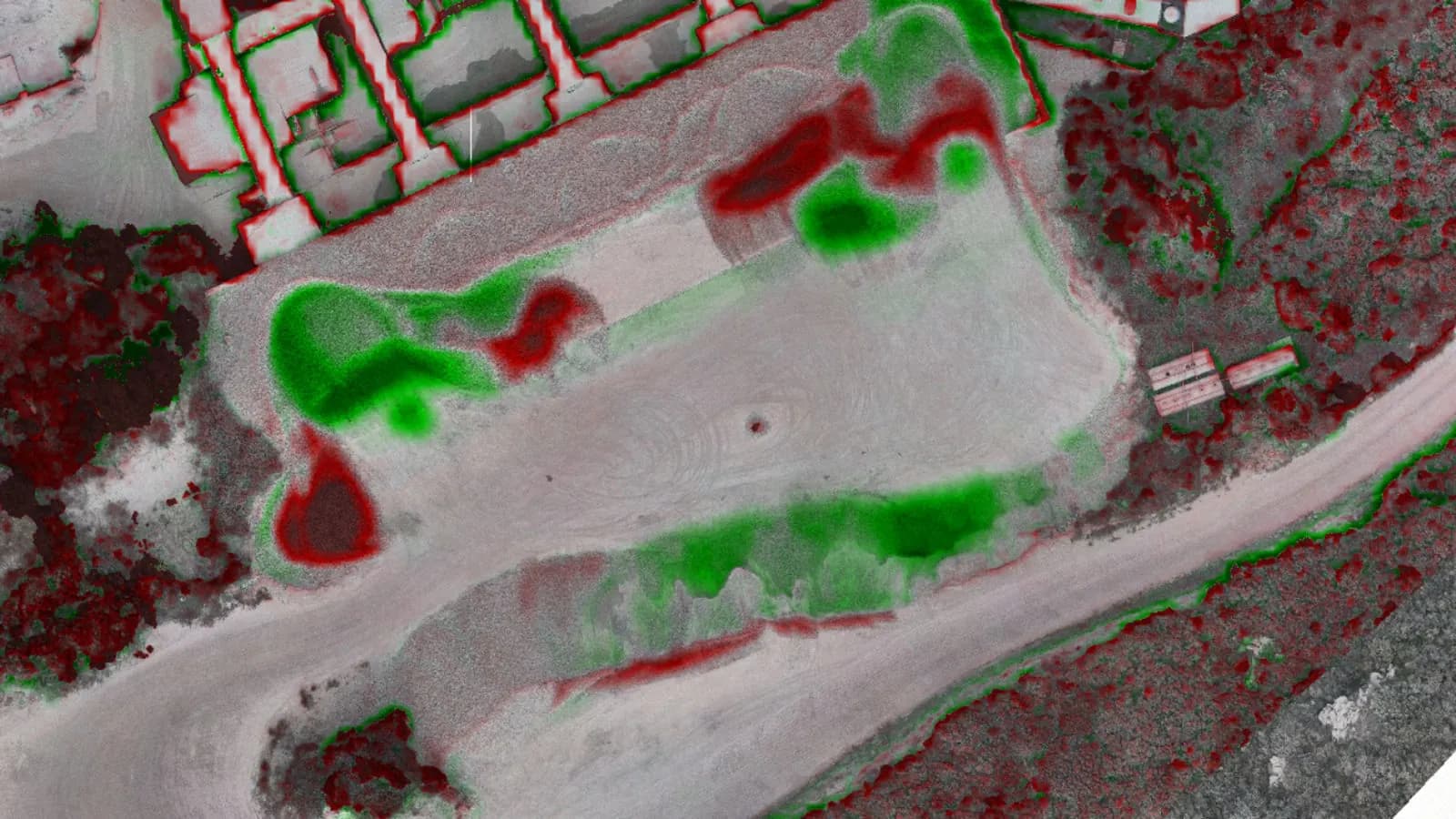
Calculating cut and fill volumes with digital elevation models.
Contents
In surveying engineering, earthwork (volume) calculation is the basis of planning a project's cost, time and resources. Traditionally, volumes were calculated with cross-section, grid or profile methods. Today, instead of representing the terrain with a few lines, we can model it with millions of points.
This is where digital elevation models (DEM) come in.
How Were Volumes Calculated Traditionally?
In the past, volumes were usually calculated with:
- The cross-section method (the difference in area between two surfaces),
- The grid method (height differences over equally spaced squares),
- The profile method (measurements along set axes).
These approaches were practical, but on large sites loss of detail and approximate results were unavoidable.
A New Approach with DEM Data
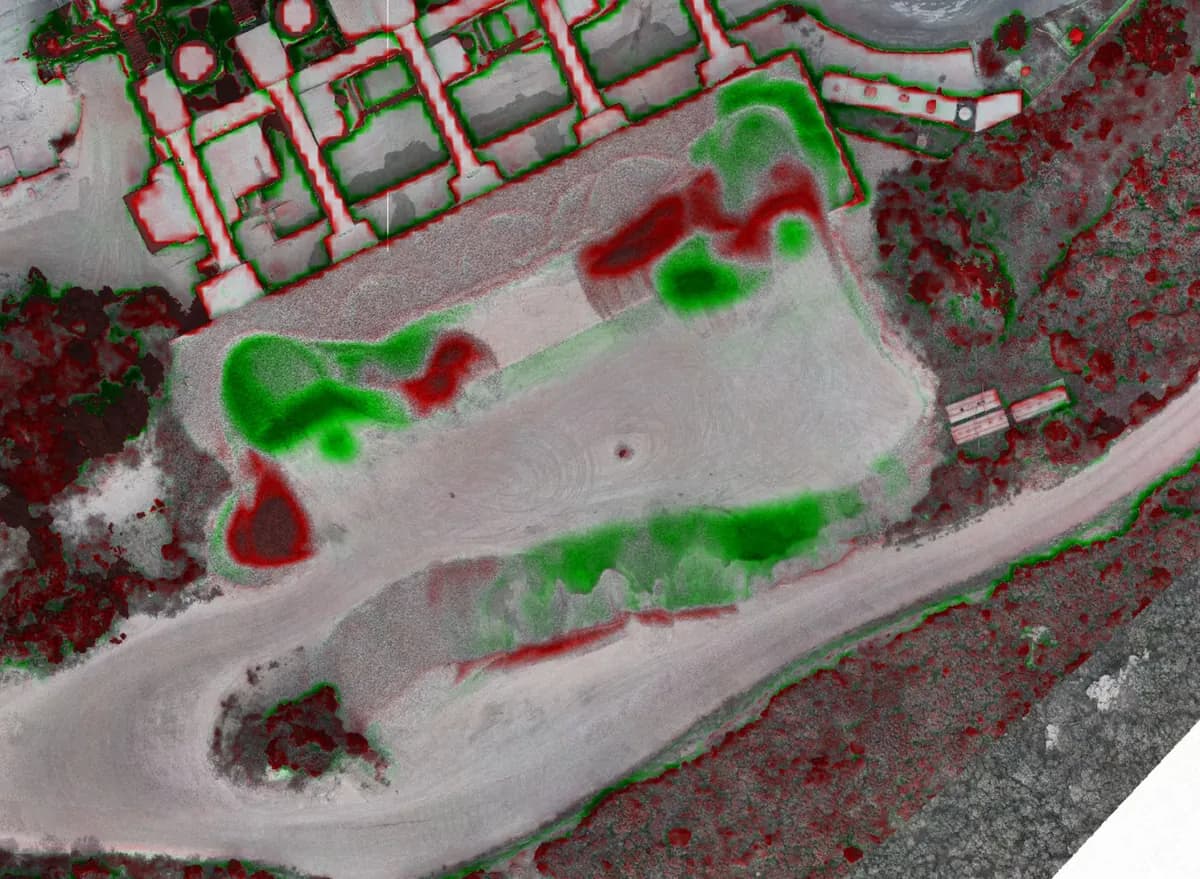
A digital elevation model (DEM) is raster data that represents each point of the terrain as a cell (pixel). This makes it possible to calculate surface differences far more precisely and continuously than with traditional methods.
The DEM difference method (cut/fill analysis):
- Two surfaces are produced: a DEM before the work and a DEM after it.
- The two models are compared cell by cell.
- The height differences of the cells give the total cut and fill volumes.
With this method, volume calculation is no longer just a number; it can also be analysed visually.
Advantages
- High accuracy: very precise volume calculations
- Up-to-date analysis: quick updates with drone or LiDAR data
- Easy visualisation: volume changes tracked on a 3D model
- Time savings: no need to draw cross-sections by hand
- Wide range of uses: construction progress tracking, mine site monitoring, road and infrastructure projects
Conclusion: Earthwork Calculations Are Now Smarter
Earthwork calculation is no longer limited to finding the amount of cut and fill; it now means reading, interpreting and managing the terrain digitally.
DEM-based volume calculations have made more accurate planning, fewer errors and more efficient use of resources possible in engineering projects.
Related articles
Earthwork volumes
Don't Leave Your Project to Chance: Why Is Accuracy in Earthwork Calculations So Important?
How small errors in volume calculations affect a project's cost and schedule.

Industry
The Future of Surveying Engineering: 2025-2026 Trends and the Technology Shift
The move from measurement to spatial data management with AI, autonomous systems and digital twins.
GIS
Vector and Raster Maps: Differences and Uses
The structure and strengths of the two data models, and which one to choose for which job.