

What Is Gaussian Splatting?
A new method for 3D visualisation and its place in digital twin work.
Contents
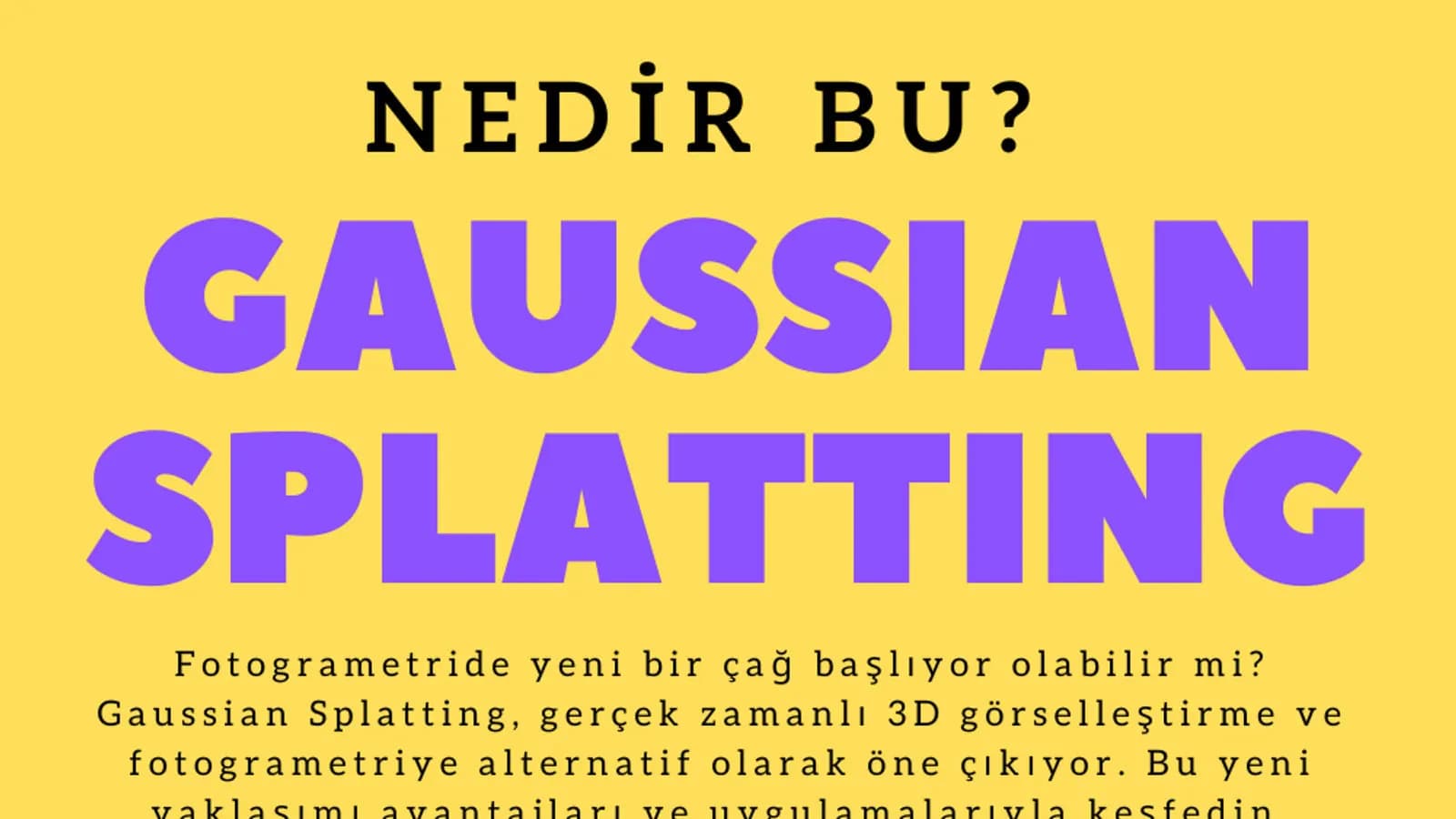
In 3D visualisation, digital twin production and virtual reality (VR), there is a term we have been hearing a lot recently: Gaussian splatting. So what is this technology? Where, how and why is it used? In this article we look at Gaussian splatting and compare it with classic photogrammetry.
Gaussian splatting is a modern method for representing a scene in 3D by placing Gaussian functions (3D Gaussian distributions) on top of point clouds. Each point carries not just a position but also colour, density and spread information. This makes it possible to produce models that look much more realistic, have soft edges and render quickly.
Compared with AI-based systems such as neural radiance fields (NeRF), this method gives results faster and can run with less computing power.
How Does Gaussian Splatting Work?
Gaussian splatting works in these steps:
- Image capture: photos or video taken from different angles are used.
- Camera calibration: the angles from which the images were taken are determined.
- Point cloud generation: a dense 3D point cloud is created from the images.
- Gaussian modelling: each point is smoothed and coloured with Gaussian functions.
- Real-time visualisation: GPU-based systems can render the result in real time.
Differences Between Gaussian Splatting and Photogrammetry
The comparison below shows the same area modelled with classic photogrammetry and with Gaussian splatting:
| Feature | Classic photogrammetry | Gaussian splatting |
|---|---|---|
| Data source | Photos / drone images | Photos / drone images |
| 3D modelling | Mesh + texture | Points + Gaussian functions |
| Edge sharpness | High (but with hard transitions) | Soft, natural transitions |
| Processing time | Medium | Low |
| Real-time use | Limited | Possible |
| GPU requirement | Medium to high | Low to medium |
Where Is Gaussian Splatting Used?
- Mapping and cadastral work
- Construction and mine site visualisation
- Architectural and urban modelling
- Video games and VR applications
- Cultural heritage and archaeological documentation
Advantages and Outlook
Gaussian splatting stands out in projects that need a fast workflow and real-time presentation. Its highly detailed visualisation at low computing cost gives it clear advantages over traditional mesh-based models.
In the coming years, as this method is integrated into GIS (geographic information systems) and surveying engineering projects, much faster and more intuitive systems are expected to emerge.
Conclusion
Gaussian splatting represents an important technological leap, especially in surveying engineering and visual digitisation. It is a powerful tool for professionals who want to produce high-quality 3D data with low hardware costs.
If you would like to use innovative technologies such as Gaussian splatting in your projects, you can contact us.
Sources and Further Reading
https://en.wikipedia.org/wiki/Gaussian_splatting
Related articles
Photogrammetry and 3D
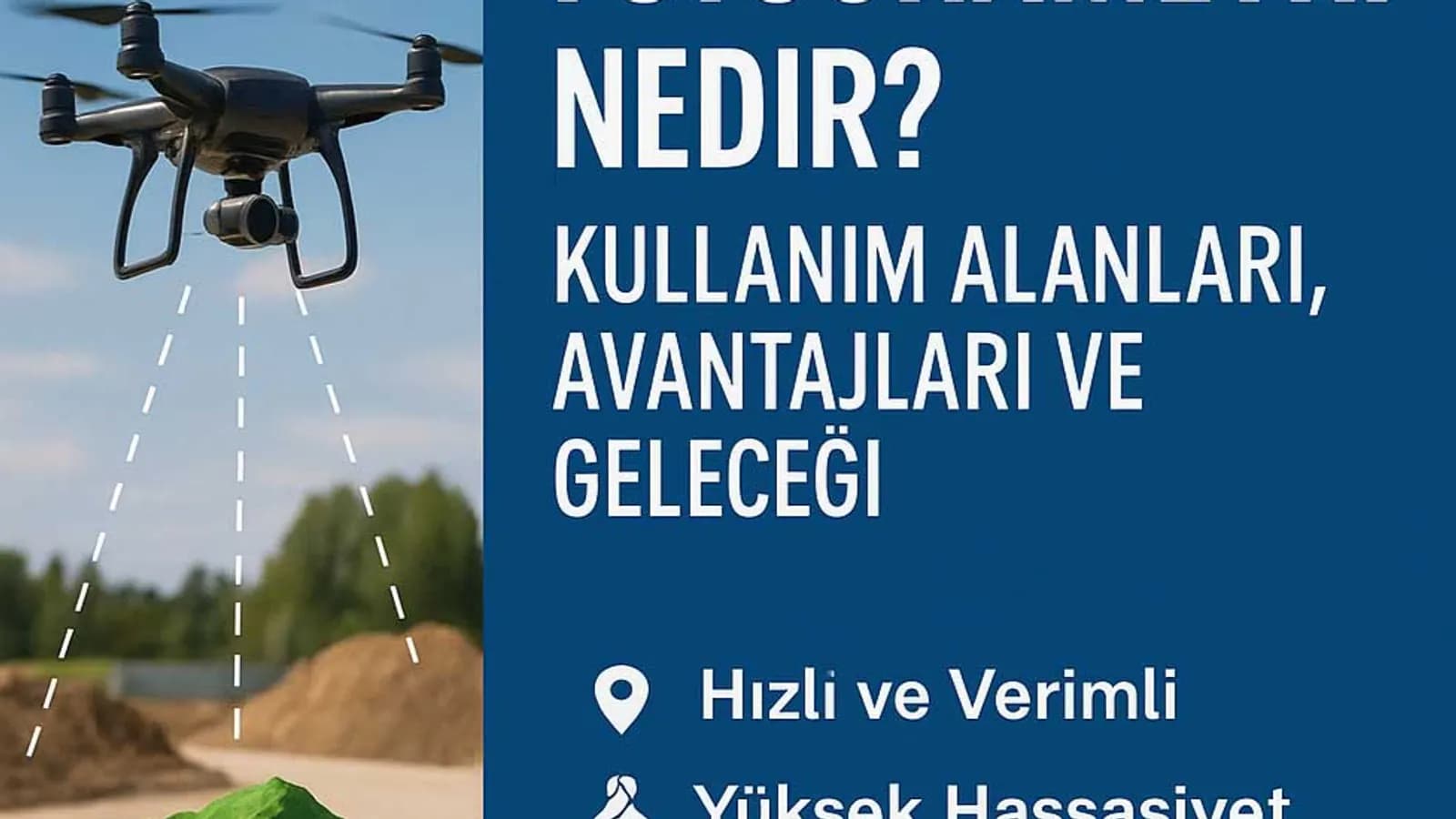
What Is Photogrammetry? Uses, Advantages and the Future
How position, shape and size are measured from photographs, and where the method is used.
Industry
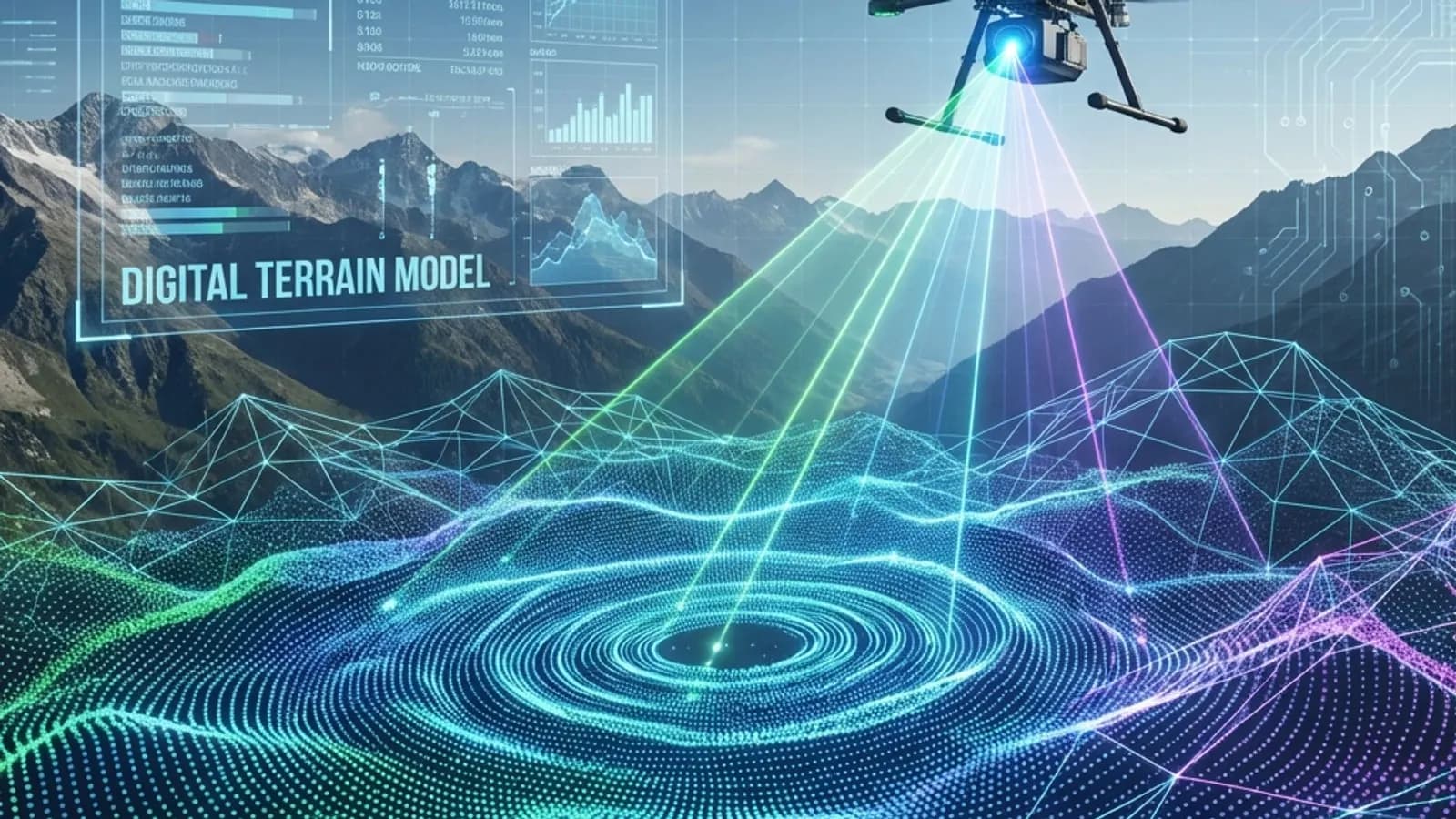
The Future of Surveying Engineering: 2025-2026 Trends and the Technology Shift
The move from measurement to spatial data management with AI, autonomous systems and digital twins.
GIS
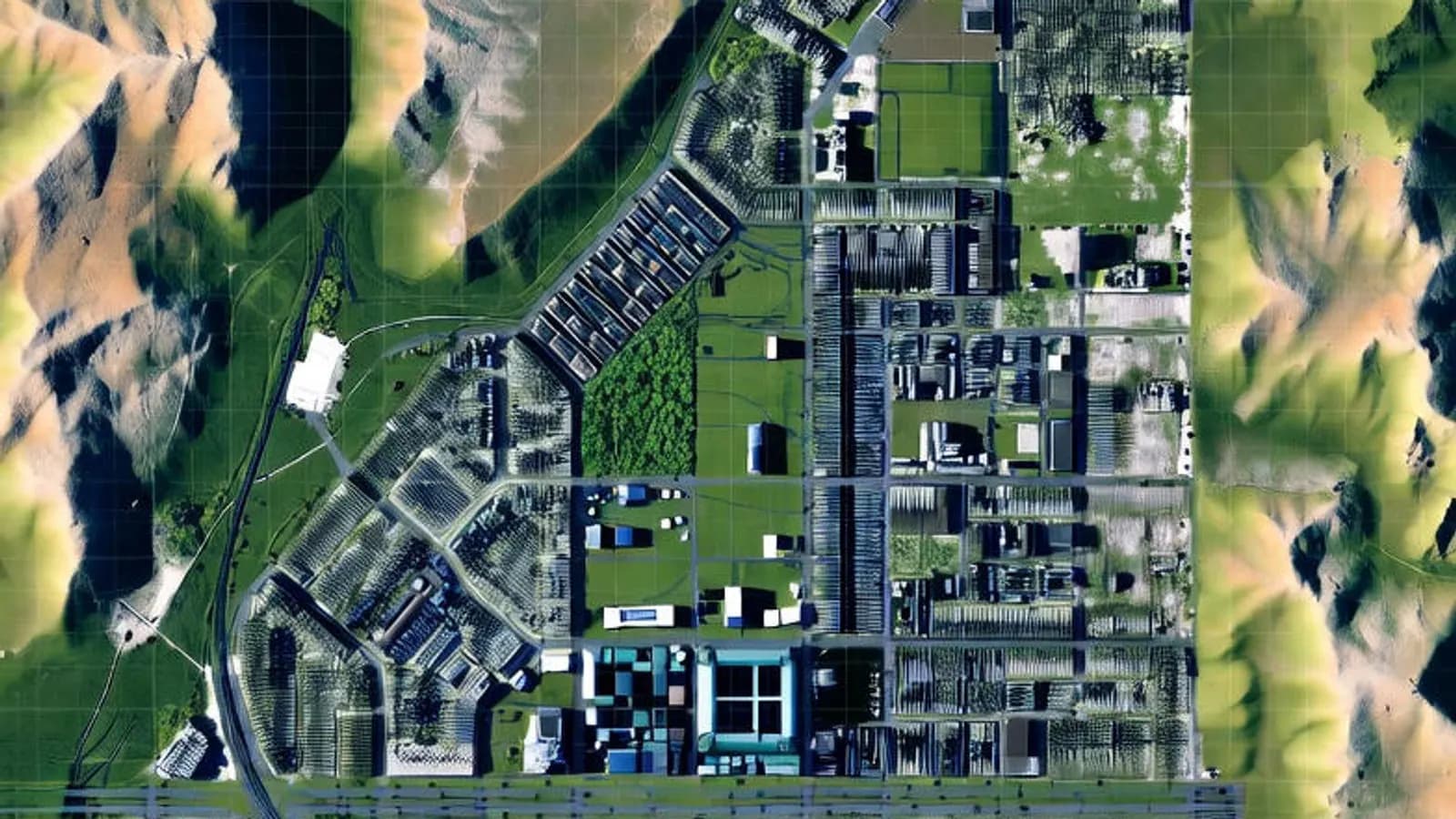
Vector and Raster Maps: Differences and Uses
The structure and strengths of the two data models, and which one to choose for which job.